Proudly Serving Charleston & Surrounding Areas
Charleston hospitals and clinics already face updated medical facility cleaning standards Charleston 2026 that demand higher levels of disinfection and safety. The South Carolina Department of Health and Environmental Control issued 12 citations for improper environmental cleaning in the Lowcountry last year alone. The CDC's stricter cdc cleaning guidelines now emphasize enhanced environmental cleaning in healthcare settings. Facility managers at local hospitals, urgent care centers, and private practices must adapt quickly to avoid violations and protect patients.
The Rising Importance of Healthcare Cleaning Compliance in Charleston
Healthcare-associated infections strike one in 31 hospital patients nationally, according to the CDC. The new healthcare cleaning compliance standards for 2026 require more frequent disinfection of high-touch surfaces, stricter monitoring of cleaning effectiveness, and documentation of every cleaning event. Charleston's humid, subtropical climate creates a breeding ground for pathogens like norovirus and influenza, making the rigorous infection control guidelines charleston facilities must follow especially demanding.
Local hospitals, such as the Medical University of South Carolina and Roper St. Francis, have already implemented enhanced protocols and hired additional infection preventionists. Smaller clinics and medical offices often lack dedicated environmental services staff to meet these healthcare facility cleaning regulations. This gap between regulatory demands and available internal resources has driven many local providers to partner with specialized commercial cleaning companies.
Norovirus outbreaks in Charleston have historically been traced back to environmental surface contamination. During the 2024-2025 season, three long-term care facilities in the Charleston metro area reported outbreaks linked to insufficient disinfection of common areas. The 2026 standards directly address these vulnerabilities with targeted protocols for high-traffic zones. Non-compliance carries real financial risk. A single DHEC violation can result in fines from $500 to $10,000 per day, depending on severity. For a small practice, an extended remediation process can mean lost patient trust and reduced reimbursements from insurers who audit infection control records.
Key Hospital Sanitation Standards and Disinfection Protocols for 2026
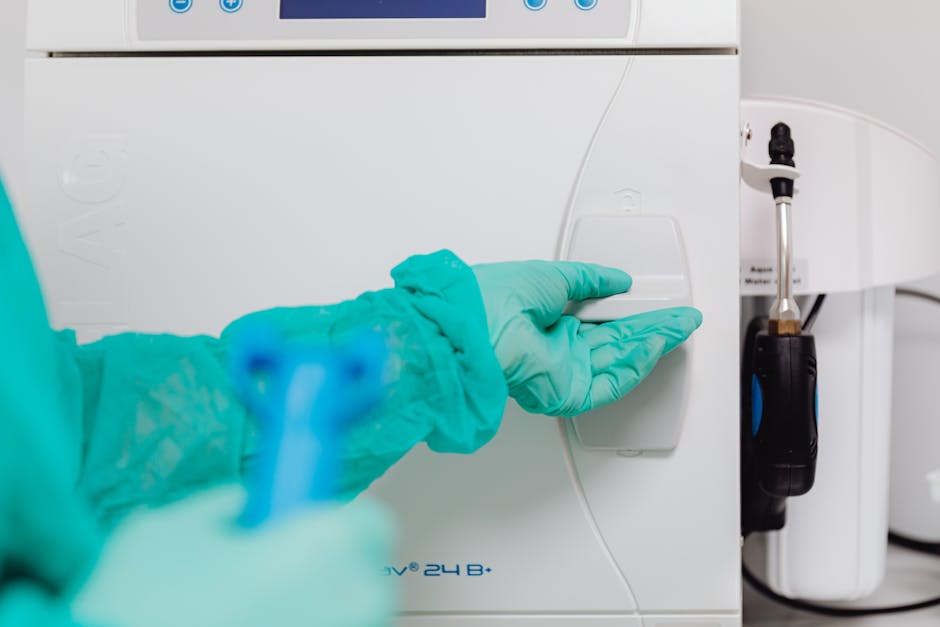
Updated hospital sanitation standards for 2026 specify exactly how quickly blood spills must be contained, which EPA-registered disinfectants are required for specific pathogens, and how often operating rooms need terminal cleaning. Sterilization standards for hospitals have become more precise, requiring autoclave testing logs and biological indicator reports every week. A blood spill, for instance, must be contained and disinfected within 10 minutes of identification.
For rooms housing immunocompromised patients, medical facility disinfection protocols now require ultraviolet-C light treatment in addition to standard chemical disinfection. Environmental services teams must follow a detailed room checklist covering walls, curtains, bedrails, call buttons, and medical equipment. UV-C devices must log exposure time and intensity for each cycle, and those logs are subject to DHEC review. Missing a single item on the checklist can trigger a citation during a state survey.
| Cleaning Step | Frequency (2026 Standard) | Documentation Required |
|---|---|---|
| High-touch surface disinfection (bedrails, light switches, door handles) | Every 4 hours in patient areas | Cleaning log with time and initials |
| Operating room terminal cleaning | After each surgery | UV-C treatment log + ATP test result |
| Bathroom disinfection (toilets, sinks, grab bars) | Twice daily and after patient discharge | Checklist signed by supervisor |
| Floor cleaning in patient corridors | Daily mopping with EPA-registered disinfectant | Daily shift report |
ATP (adenosine triphosphate) testing has become a standard verification method for cleanliness. A swab of a surface immediately after cleaning can reveal whether organic material remains. DHEC surveyors now accept ATP test results as evidence of meeting medical facility disinfection protocols. Facilities must keep a log of all ATP tests, including the date, time, location, and result. The South Carolina Department of Health and Environmental Control (DHEC) enforces these medical cleaning best practices during unannounced annual inspections. Facilities that fall behind risk fines, corrective action plans, or temporary closure. In 2025, DHEC temporarily suspended operations at two South Carolina clinics due to failed infection control surveys.
How Local Facilities Meet Healthcare Facility Cleaning Regulations
Meeting healthcare facility cleaning regulations requires dedicated staff and systematic processes. Many Charleston hospitals have hired independent infection preventionists to oversee their programs. Smaller clinics often outsource cleaning to specialized providers who understand both environmental cleaning in healthcare and local regulatory nuances.
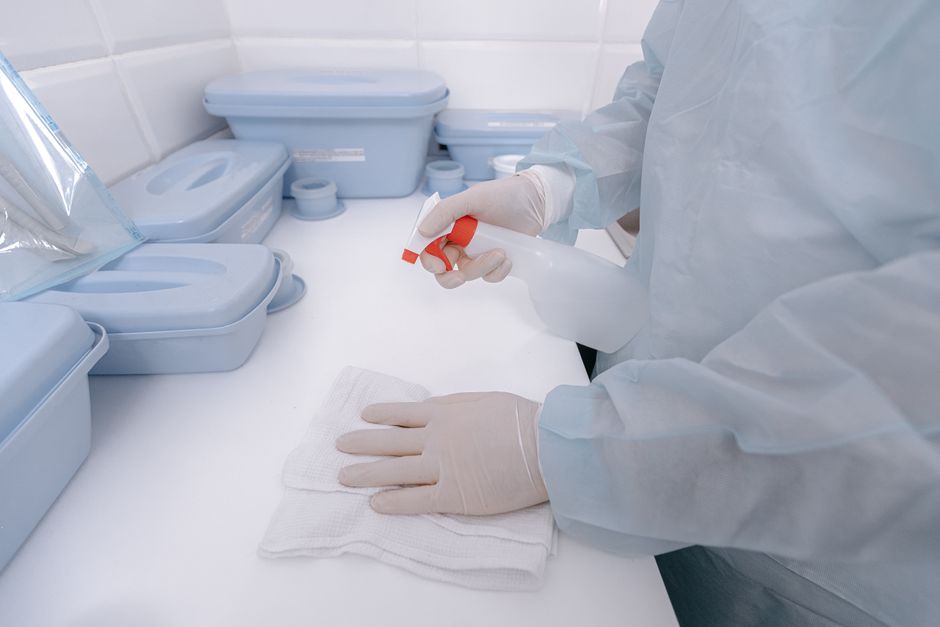
Preferred Services Group, based in Moncks Corner, provides licensed, insured, and OSHA-compliant crews to Charleston, Summerville, North Charleston, and Goose Creek. Our cleaning standards for clinics rely on color-coded microfiber cloths to prevent cross-contamination, EPA-registered disinfectants applied with correct dwell times, and after-hours scheduling that avoids disrupting patient care. Every team member undergoes background checks and continuous training on the latest cdc cleaning guidelines.
For example, a local urgent care chain recently transitioned to our service and saw their DHEC compliance score improve from 82% to 97% within three months. They attribute the improvement to consistent disinfection of waiting room chairs, restroom fixtures, and exam tables between every patient encounter. The chain's director of operations noted that the previous vendor frequently missed high-touch surfaces in exam rooms.
We also provide detailed cleaning logs that satisfy both the sterilization standards for hospitals and the less formal but equally stringent requirements for private medical offices. Our clients receive monthly reports summarizing cleaning quality metrics, including ATP surface test results and UV-C exposure logs.
Choosing a Cleaning Partner for Your Medical Office or Clinic
Managing a multi-specialty clinic or a single-doctor practice requires a cleaning company that understands medical facility cleaning standards Charleston 2026. Look for these five signs of a reliable partner:
- Proof of EPA-registered disinfectants and a written OSHA compliance plan
- Training records documenting staff education on infection control guidelines charleston facilities require
- References from other healthcare facilities in the Charleston area
- Willingness to customize a cleaning checklist based on your facility's specific risk assessment
- Use of medical cleaning best practices including disposable gloves changed between rooms, color-coded cloths, and no-touch cleaning methods
Preferred Services Group specializes in medical facility cleaning in Charleston for hospitals, surgical centers, and physician offices. We also provide medical office cleaning tailored to smaller practices requiring exam room turnover several times daily.
Beyond daily cleaning services, we help clients prepare for inspections. We can review your current procedures against the healthcare cleaning compliance requirements and suggest improvements before a surveyor arrives. This proactive approach has saved several local facilities from costly corrective action plans and repeat citations.
Frequently Asked Questions
What are the cleaning standards for medical facilities in Charleston?+
Medical facilities must follow South Carolina DHEC regulations, which incorporate CDC and OSHA guidelines. Key requirements include EPA-registered disinfectants, proper waste disposal, and documented cleaning schedules. The 2026 updates emphasize more frequent disinfection of high-touch surfaces and mandatory use of UV-C or other supplemental methods in high-risk areas.
What is the difference between medical office cleaning and hospital cleaning?+
Hospital cleaning demands more rigorous protocols, including terminal cleaning of operating rooms and detailed logs for every patient room. Medical office cleaning focuses on exam rooms, waiting areas, and administrative spaces. However, both must prevent cross-contamination and follow medical facility disinfection protocols appropriate for the level of care provided.
How often should exam rooms be disinfected?+
Exam rooms should be disinfected between every patient encounter. High-touch surfaces such as the exam table, light handles, countertops, and door handles must be wiped down with an EPA-registered disinfectant. In 2026, the recommendation is to use a disinfectant with a one-minute dwell time to keep turnover fast while maintaining safety.
Can a clinic use the same cleaning company for its waiting area and treatment rooms?+
Yes, as long as the company uses separate equipment and color-coded cloths for different zones. A reputable provider will never use a cloth from a restroom on a treatment table. Look for a company that trains its staff on environmental cleaning in healthcare and follows a clear zone-based cleaning system.
Do private medical offices need to follow the same regulations as hospitals?+
Private medical offices are subject to similar infection control principles, though the enforcement level may vary. South Carolina law requires all healthcare settings to maintain a clean and sanitary environment. Following cleaning standards for clinics not only keeps patients safe but also protects your practice from liability during an outbreak investigation.
What training do cleaning staff need for healthcare environments in South Carolina?+
South Carolina requires that cleaning staff in healthcare settings complete bloodborne pathogen training annually, pass a competency assessment on disinfection procedures, and demonstrate proper use of personal protective equipment (PPE). Our teams complete these trainings before setting foot in a client facility. DHEC surveyors routinely request training records during inspections.
How does UV-C disinfection work in medical facilities?+
UV-C light emits a specific wavelength that inactivates microorganisms by damaging their DNA. It is used as a supplemental step after manual cleaning in operating rooms, isolation rooms, and other high-risk areas. DHEC surveyors now ask to see UV-C usage logs for rooms housing immunocompromised patients. Proper documentation is just as important as the disinfection itself.
Partner With Charleston Medical Cleaning Experts
Meeting medical facility cleaning standards Charleston 2026 requires more than a checklist — it demands trained crews, documented protocols, and proven results. Preferred Services Group serves hospitals, clinics, surgical centers, and private medical offices throughout the Charleston metro with OSHA-compliant teams and DHEC-ready documentation. Schedule a free compliance assessment today and protect your patients, staff, and license.
Ready for a Spotless Facility?
Get a free, customized commercial cleaning quote for your Charleston-area business.
Request a Free Quote