Proudly Serving Charleston & Surrounding Areas
Cleaning a manufacturing plant presents distinct challenges that go well beyond standard office janitorial work. The combination of heavy machinery, hazardous materials, and specialized production schedules means that industrial facility cleaning Charleston operators rely on must be approached with a strong focus on safety and regulatory compliance. For facility managers and business owners in the Charleston metro area, including Summerville, North Charleston, Goose Creek, and Moncks Corner, understanding how cleaning protocols align with OSHA standards is essential for protecting workers and avoiding costly violations. This article outlines the key OSHA regulations that directly impact manufacturing plant cleaning OSHA programs and offers guidance on building a compliant cleaning program.
Why Cleaning Standards Matter in Manufacturing
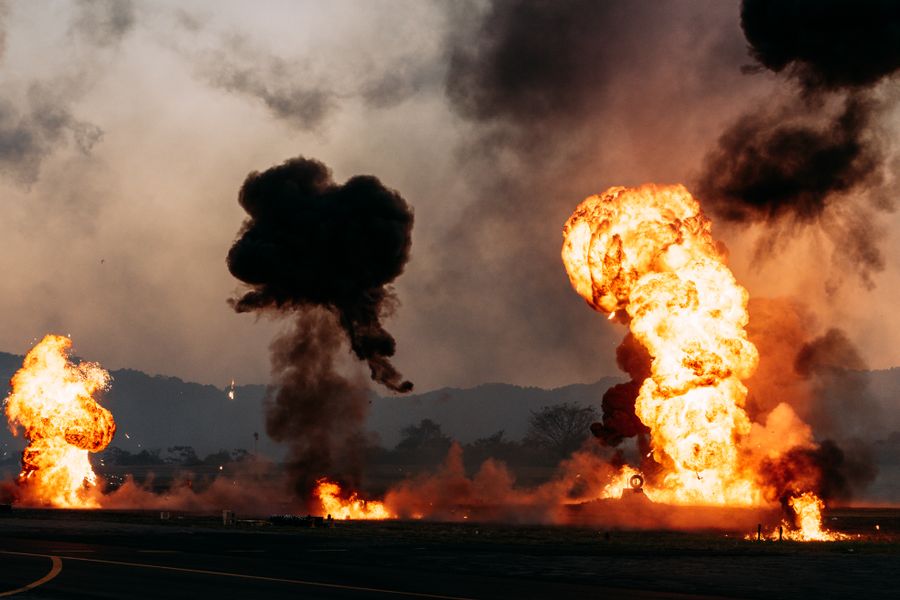
OSHA requires that all places of employment, passageways, storerooms, and walking-working surfaces be kept in a clean, orderly, and sanitary condition under 29 CFR 1910.22. This standard is the foundation for housekeeping in industrial facilities. When a manufacturing plant is not kept clean, the risks extend far beyond a poor appearance. Slips, trips, and falls are among the leading causes of workplace injuries. In 2023 alone, there were 85 fatal work injuries from slips, trips, and falls in the United States. In manufacturing environments, additional hazards such as combustible dust accumulation can turn a routine cleaning gap into a serious safety incident. Combustible dust accumulation of as little as 1/32 inch over 5% of a room's surface area can fuel an explosion. Proper cleaning and maintenance are critical components of OSHA compliance for industrial facilities, helping to reduce these workplace hazards and avoid fines.
Key OSHA Standards for Manufacturing Plant Cleaning
Manufacturing plant cleaning is governed by several specific OSHA standards under general industry regulations (29 CFR 1910). Cleaning crews and facility managers must be aware of these requirements to maintain compliance and ensure a safe work environment.
Hazard Communication Standard (HazCom)
Cleaning a manufacturing plant often involves the use of powerful chemicals for degreasing, disinfecting, and floor scrubbing. The OSHA HazCom cleaning chemicals standard requires that all cleaning chemicals have Safety Data Sheets (SDS) readily available, proper container labeling, comprehensive employee training on chemical hazards, and a written hazard communication program. Any outside cleaning provider working in an industrial facility must be integrated into the facility's HazCom program to ensure they understand the chemicals they are using and the hazards present in the environment.
Personal Protective Equipment (PPE)
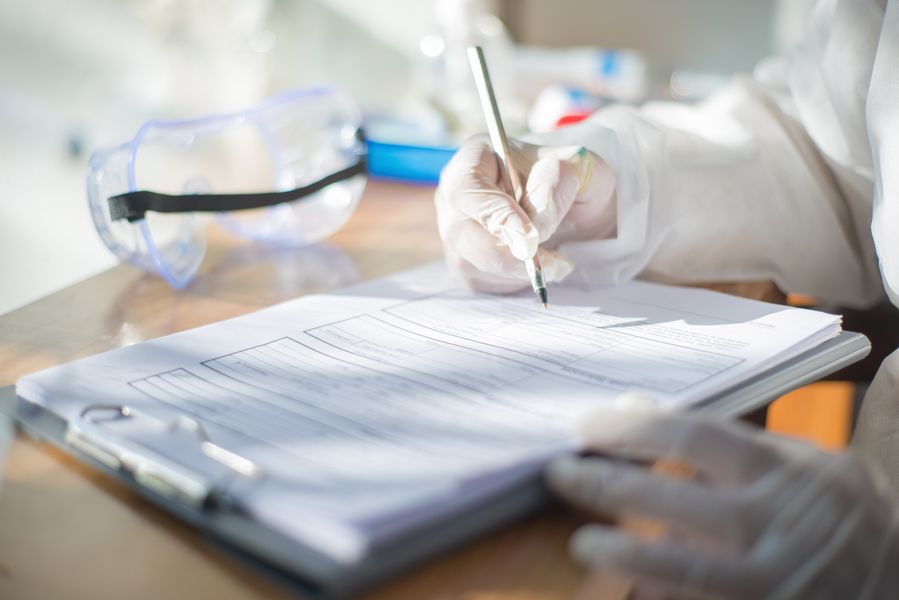
OSHA mandates specific PPE for industrial cleaning tasks. Depending on the task, cleaning workers may be required to wear gloves under 1910.138, goggles under 1910.133, slip-resistant footwear under 1910.136, respirators under 1910.134, high-visibility vests, hearing protection under 1910.95, and hard hats under 1910.135. Ignoring PPE requirements is a common compliance gap. A qualified industrial cleaning provider will ensure that their crew is equipped with the proper PPE for every specific task within a manufacturing plant.
Combustible Dust and Housekeeping
Manufacturing processes that generate dust from materials such as metal, wood, chemicals, or food ingredients create a combustible dust cleaning hazard. The housekeeping requirements of 29 CFR 1910.22 directly address this risk. Regular cleaning to prevent dust accumulation above the 1/32 inch threshold is not just good practice, it is a compliance necessity. Cleaning methods must also be safe; using improper techniques that disperse dust into the air can increase the risk of an explosion. Vacuum systems that are approved for combustible dust are often required instead of sweeping or blowing dust with compressed air.
Walking-Working Surfaces
OSHA standards for walking-working surfaces OSHA regulations require that aisles, passageways, and floors be kept clean and dry. In a manufacturing plant, spills of oils, coolants, and other liquids are common. Prompt and proper cleaning of these spills is essential for compliance. Additionally, cleaning schedules must be coordinated so that wet floors are clearly marked and do not create a slip hazard for production workers.
| OSHA Standard | Cleaning-Related Requirement | Common Violation |
|---|---|---|
| 29 CFR 1910.22 | Keep floors, aisles, and passageways clean, orderly, dry | Accumulated debris, wet floors, blocked aisles |
| 29 CFR 1910.1200 (HazCom) | SDS, labels, training for all cleaning chemicals | Missing SDS or untrained contractor crews |
| 29 CFR 1910.132 (PPE) | Provide and require task-specific PPE | Cleaning staff without goggles, gloves, or respirators |
| 29 CFR 1910.95 | Hearing protection above 85 dBA | No hearing protection during plant scrubbing |
| Combustible Dust (NEP) | Prevent dust > 1/32 inch on surfaces | Sweeping or blowing dust instead of approved vacuums |
The Difference Between Commercial and Industrial Cleaning
It is important to recognize that cleaning a manufacturing plant is fundamentally different from cleaning a commercial office. Commercial cleaning is typically scheduled around standard business occupancy patterns. Industrial cleaning, on the other hand, must be coordinated directly with production supervisors. Cleaning cannot simply happen whenever it is convenient; it must be integrated into production schedules to avoid disrupting operations and to ensure that cleaning crews are not exposed to active machinery or hazardous processes. Industrial cleaning also frequently involves hazardous materials, heavy machinery, and the management of combustible dust, which are rarely concerns in commercial settings. Regular risk assessments, the use of OSHA-approved cleaning products, proper training of cleaning staff, and a routine cleaning schedule are essential for maintaining compliance in an industrial facility.
Building a Compliance-Focused Cleaning Program
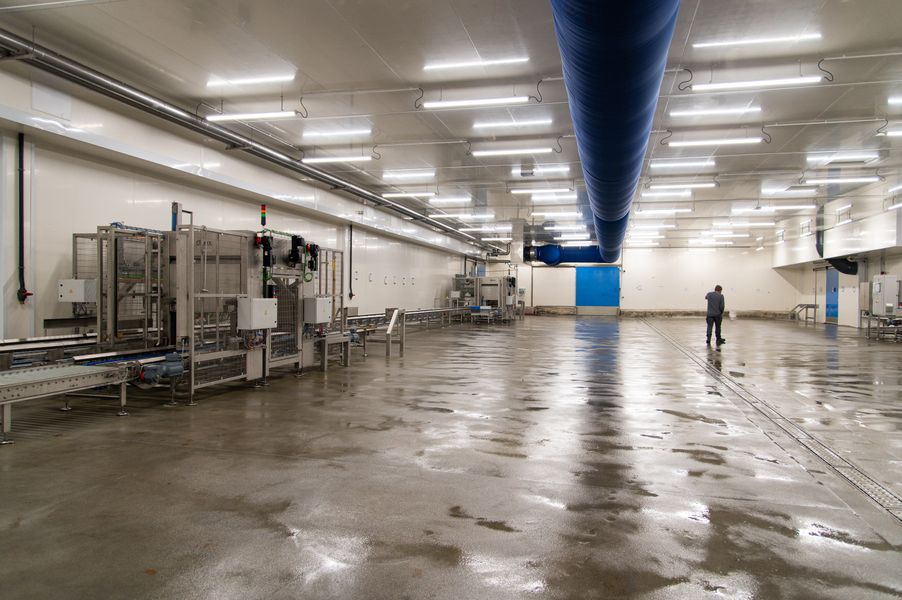
Developing a cleaning program that meets OSHA standards starts with a thorough risk assessment of the facility. Identify the specific hazards present, from chemical exposures to combustible dust to slip hazards. Choose cleaning products and methods that comply with OSHA regulations and are appropriate for the materials being cleaned. Training is a critical component; cleaning staff must be trained on HazCom, PPE use, and the specific hazards of the facility. It is also important to be aware of State Plans. Some states operate OSHA-approved workplace safety and health programs that must be at least as effective as federal OSHA but may have additional or more stringent requirements. For facility managers looking to ensure compliance, working with an OSHA compliant cleaning company that understands these regulations is a practical and effective approach.
Frequently Asked Questions
What is the main OSHA standard for general housekeeping in a manufacturing plant?+
The primary standard is 29 CFR 1910.22, which requires that all places of employment, passageways, storerooms, and walking-working surfaces be kept in a clean, orderly, and sanitary condition. This standard is the basis for most cleaning-related compliance requirements in industrial facilities.
Does OSHA have specific requirements for cleaning chemicals?+
Yes, under the Hazard Communication Standard (HazCom). This requires Safety Data Sheets (SDS) for all cleaning chemicals, proper container labeling, employee training on chemical hazards, and a written hazard communication program. These requirements apply to both in-house cleaning staff and outside contractors.
How often should a manufacturing plant be cleaned to stay OSHA compliant?+
OSHA does not specify a universal cleaning frequency. The standard requires that conditions be kept clean, orderly, and sanitary. The necessary frequency depends on the type of manufacturing operation, the materials used, and the rate at which debris, dust, or spills accumulate. Regular risk assessments help determine the appropriate schedule.
What are the most common cleaning-related citations in manufacturing?+
Common citations relate to housekeeping under 1910.22, hazard communication under 1910.1200, PPE requirements under 1910.132, and the control of hazardous energy (lockout/tagout) during cleaning and maintenance tasks. Proper training and documentation are key to avoiding these citations.
Can an outside cleaning service help a manufacturing plant achieve OSHA compliance?+
Yes. A qualified industrial cleaning provider brings expertise in relevant OSHA standards, uses proper PPE and approved cleaning products, and understands the importance of coordinating cleaning activities with production supervisors. Partnering with an experienced provider can strengthen a facility's overall compliance program.
Partner With an OSHA-Compliant Industrial Cleaning Team in Charleston
Maintaining a clean manufacturing plant is a direct investment in worker safety and regulatory compliance. The standards are clear, and the consequences of neglecting them can be serious. Preferred Services Group provides licensed, insured, OSHA-compliant industrial cleaning across Charleston, North Charleston, Summerville, Goose Creek, and Moncks Corner — with HazCom-integrated crews, task-appropriate PPE, and combustible-dust-safe equipment scheduled around your production shifts.
Ready for a Spotless Facility?
Get a free, customized commercial cleaning quote for your Charleston-area business.
Request a Free Quote